Red State, Green Crisis: How Climate Change Is Coming for the Voters Who Were Told It Wasn't Real
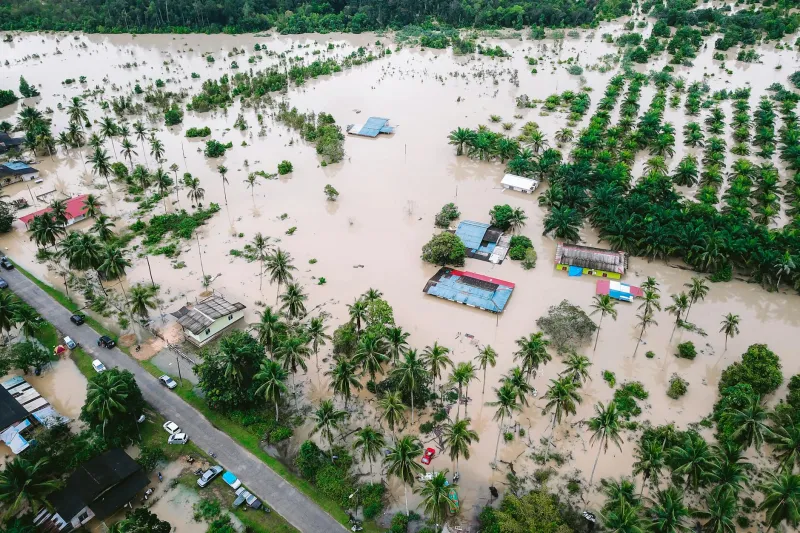
In July 2023, Phoenix recorded 31 consecutive days above 110°F, shattering records and killing hundreds of residents. That same summer, Kentucky's Appalachian communities faced their worst flooding in decades, destroying homes and entire towns. Texas endured both a catastrophic winter freeze and record-breaking heat waves that pushed the electrical grid to collapse. These aren't abstract climate projections—they're the lived reality of voters in deeply conservative states whose elected representatives have spent decades denying that climate change exists.
The Cruelest Irony in American Politics
The data reveals one of the most perverse contradictions in contemporary American politics: the states most vulnerable to climate disasters are represented by the politicians most committed to blocking climate action. According to FEMA disaster declarations, eight of the ten states receiving the most federal climate disaster aid since 2011 voted for Donald Trump in 2020. Texas alone has received over $60 billion in federal disaster relief since 2017—more than the entire annual budget of most states—while its senators vote against every piece of climate legislation.
This isn't coincidence; it's the predictable result of geography and physics. The Sun Belt states that form the backbone of Republican electoral power sit directly in the path of intensifying heat waves, hurricanes, and droughts. The coal-dependent communities of Appalachia face not just economic transition but literal flooding as extreme precipitation events become more frequent and severe. The agricultural regions of the Great Plains confront both killing droughts and devastating storms that wipe out entire harvests.
Real People, Real Consequences
Consider Maria Gonzalez, a Houston grandmother who lost her home to Hurricane Harvey in 2017, rebuilt with federal aid, then watched flood waters destroy it again during the February 2021 freeze. Or Jimmy Mitchell, a Kentucky coal miner whose family has lived in the same hollow for four generations until last year's flooding swept away not just his trailer but the road that connected his community to the outside world. These aren't climate activists or Democratic voters—they're working-class Americans in red states who trusted their representatives to protect them and instead got culture war distractions while their world literally burned and flooded.
The human toll is staggering and disproportionately affects the most vulnerable. During Texas's 2021 winter storm, the state's deregulated power grid failed, leaving millions without heat or electricity for days. At least 246 people died, with fatalities concentrated among elderly residents, people with disabilities, and families who couldn't afford backup generators or hotels. In Arizona, Maricopa County recorded 645 heat-related deaths in 2023—a 52% increase from the previous year—with the majority among homeless individuals and outdoor workers, many of them Latino immigrants whose legal status prevented them from accessing cooling centers.
The Policy Contradiction
Republican climate denial creates a devastating policy feedback loop. States refuse to invest in renewable energy infrastructure, leaving them dependent on fossil fuel systems that fail during extreme weather. They reject federal climate adaptation funding as government overreach, then demand emergency aid when disasters strike. They oppose building codes that account for changing weather patterns, ensuring that future storms will cause even greater damage.
Texas exemplifies this self-defeating approach. The state sits on some of the world's best wind and solar resources, yet its political leadership continues to prioritize fossil fuel production over grid resilience. When the 2021 freeze knocked out power plants, Republican officials blamed renewable energy—even though natural gas facilities accounted for the majority of outages. Rather than investing in weatherization and grid improvements, the state doubled down on fossil fuels, ensuring that future extreme weather events will cause similar catastrophic failures.
Economic Reality Versus Political Theater
The economic costs of climate denial are becoming impossible to ignore, even for the most ideologically committed Republicans. Insurance companies are fleeing Florida and California, making homeownership unaffordable for middle-class families. Agricultural losses from drought and extreme weather are bankrupting farmers across the Great Plains. Tourism industries in mountain and coastal regions face existential threats as ski seasons shrink and beaches erode.
Yet rather than address these economic realities, Republican politicians continue to frame climate action as a threat to American prosperity. They warn that renewable energy investments will destroy jobs, even as clean energy employment grows faster than any other sector. They claim that emissions regulations will hurt consumers, while their constituents pay billions in climate disaster recovery costs and rising insurance premiums.
The Progressive Solution Is a Survival Plan
Progressive climate policy isn't environmental extremism—it's economic and social justice for the communities bearing the highest costs of climate change. The Inflation Reduction Act's clean energy investments will create millions of jobs, many in the red states that need economic diversification most. Federal climate adaptation funding will help vulnerable communities build resilience before disasters strike, rather than scrambling for aid afterward. Environmental justice provisions ensure that frontline communities have a voice in decisions about industrial pollution and energy infrastructure.
Most importantly, progressive climate policy recognizes that you cannot separate environmental protection from economic security. Workers in coal-dependent communities need just transition programs that provide retraining and economic support, not false promises that coal jobs will return. Families in flood-prone areas need affordable flood insurance and buyout programs, not thoughts and prayers after the next disaster. Agricultural communities need crop insurance and drought-resistant farming techniques, not climate denial that leaves them unprepared for changing weather patterns.
The Coming Reckoning
Climate change is not waiting for American politics to catch up. Each year brings more extreme weather, higher disaster costs, and greater human suffering. The communities that have been told climate change is a hoax are discovering that physics doesn't respect political ideology. Heat waves kill regardless of how you vote. Floods destroy homes whether you believe in climate science or not.
Republican voters in climate-vulnerable states face a choice: continue supporting politicians who offer culture war distractions while their communities burn and flood, or demand representatives who will fight for the climate adaptation and clean energy investments they desperately need. The progressive climate agenda offers them a path forward—not as environmental activists, but as Americans who want to protect their families, their communities, and their economic future.
Climate change is the ultimate test of whether American democracy can respond to existential challenges, and the clock is running out for the very voters who have been told there's nothing to worry about.