The Great Abandonment
State Farm stopped writing new homeowners policies in California in May 2023. Allstate followed suit in June. Farmers Insurance pulled out of Florida entirely in July, abandoning 100,000 policyholders with 30 days' notice. Across the American West and Southeast, the insurance industry is conducting a quiet exodus from states where wildfires, hurricanes, and flooding have made the math of risk assessment uncomfortably real.
What's happening isn't a temporary market correction—it's the free market finally pricing in the climate emergency that politicians spent decades pretending didn't exist. And the bill is landing squarely on working families who never had the luxury of climate denial in the first place.
When the Market Meets Reality
The insurance industry operates on a simple principle: spread risk across many policyholders to cover the few who face catastrophic loss. But climate change has broken that model. In California, insured wildfire losses jumped from $1 billion annually in the 1990s to over $26 billion in 2018 alone. Hurricane Ian cost Florida insurers $63 billion in 2022—more than the entire industry collected in premiums statewide that year.
Insurers are responding the only way capitalism knows how: by walking away from unprofitable markets and leaving someone else to absorb the cost. That someone is you.
Homeowners in Paradise, California—the town that burned to ash in 2018—now face annual premiums exceeding $7,000 for modest homes, when they can find coverage at all. In Louisiana, where Hurricane Ida's aftermath drove six insurers into bankruptcy, the average homeowner pays $4,058 annually for insurance, nearly four times the national average. Florida residents shell out $6,000 per year on average, with some coastal properties commanding premiums that exceed mortgage payments.
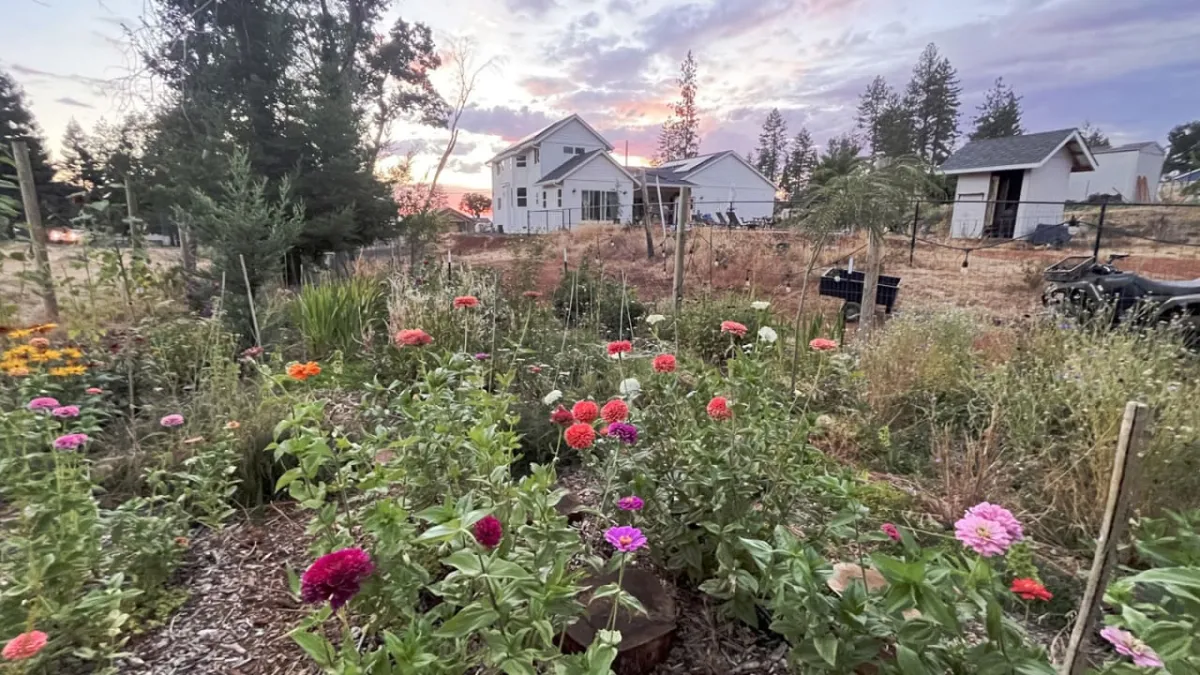 Photo: Paradise, California, via images.fastcompany.net
The Fossil Fuel Subsidy Nobody Talks About
For decades, American climate policy operated on a simple premise: privatize the profits, socialize the costs. Oil companies extracted record profits while taxpayers subsidized their operations through depletion allowances, exploration tax credits, and artificially low royalty rates on public lands. Meanwhile, the true cost of carbon emissions—the hurricanes, wildfires, and floods that follow—was treated as an externality that someone else would eventually pay.
That someone else is now homeowners facing insurance premiums that have doubled or tripled seemingly overnight. It's renters watching landlords pass through skyrocketing insurance costs. It's entire communities becoming uninsurable, their property values collapsing as the market finally acknowledges what climate scientists have been saying for decades.
The insurance crisis reveals the fundamental dishonesty of American climate policy. Politicians who spent careers denying global warming while accepting fossil fuel donations never had to explain how their constituents would afford to live in the world their policies were creating. Now the bill has arrived, and it's not going to ExxonMobil shareholders—it's going to families who just want to keep a roof over their heads.
The Human Cost of Denial
Consider Maria Santos, a teacher in Riverside County, California, whose insurance premium jumped from $1,200 to $4,800 annually after State Farm non-renewed her policy. She now faces a choice between paying nearly 20% of her pre-tax income for insurance or going without coverage and risking financial ruin. Multiply her story by millions, and you begin to grasp the scale of this crisis.
The insurance retreat isn't just pricing out individual homeowners—it's reshaping American geography along class lines. Wealthy communities in Malibu and Martha's Vineyard can afford boutique insurance products or self-insure through private wealth. Working-class neighborhoods in Riverside or Panama City get abandoned to state-run insurers of last resort that offer minimal coverage at maximum cost.
This is climate apartheid in action: the rich buy their way out of climate risk while everyone else gets left behind in increasingly unlivable places. The same pattern that defines global climate inequality—where the Global South bears the worst impacts of emissions from the Global North—is now playing out within American communities.
States of Last Resort
As private insurers flee, states are scrambling to fill the gap through public programs that were never designed for this scale of crisis. California's FAIR Plan, originally created to insure a few thousand high-risk properties, now covers over 400,000 homes. Florida's Citizens Property Insurance Corporation has become the state's largest insurer by default, covering 1.3 million policies with limited reserves and taxpayer backing.
These state programs offer a preview of socialized climate costs without socialized climate policy. Taxpayers across entire states now subsidize insurance for the riskiest properties, while the fossil fuel companies that created the underlying crisis continue collecting subsidies of their own. It's a perfect inversion of market logic: privatize the profits that caused the problem, socialize the costs of living with the consequences.
The Reckoning
Republican governors who built careers on climate denial now face insurance crises that threaten their states' economic foundations. Ron DeSantis spent years attacking renewable energy and electric vehicles while Florida's insurance market collapsed beneath him. Greg Abbott promotes fossil fuel production as insurance companies abandon Texas homeowners to wildfire and hurricane risk.
The insurance crisis forces a conversation these politicians have spent decades avoiding: you cannot have a functioning housing market in a world where climate risks are uninsurable. You cannot build an economy on the premise that catastrophic weather is someone else's problem. You cannot privatize climate profits while socializing climate costs indefinitely.
The market has spoken, and its verdict is clear: the era of cheap insurance for climate-risky property is over. The question now is whether American politics will finally catch up to American reality, or whether we'll continue pretending that working families can afford to subsidize both fossil fuel profits and the climate disasters they create.
Beyond the Exodus
The insurance crisis demands more than market-based solutions because markets created the problem in the first place. Real climate policy means ending fossil fuel subsidies and making polluters pay for the damage they've caused. It means federal insurance reform that spreads climate risk nationally rather than abandoning entire regions. Most importantly, it means acknowledging that housing is a human right that shouldn't depend on your zip code's wildfire risk or hurricane history.
The insurance companies abandoning climate-vulnerable communities are simply reading the writing on the wall—writing that fossil fuel companies and their political allies spent decades trying to erase. The tragedy isn't that the market is finally pricing in climate risk; it's that working families are the ones being asked to pay a bill they never had the power to prevent.