Caged for Profit: The Private Prison Industry's Stranglehold on Immigration Detention

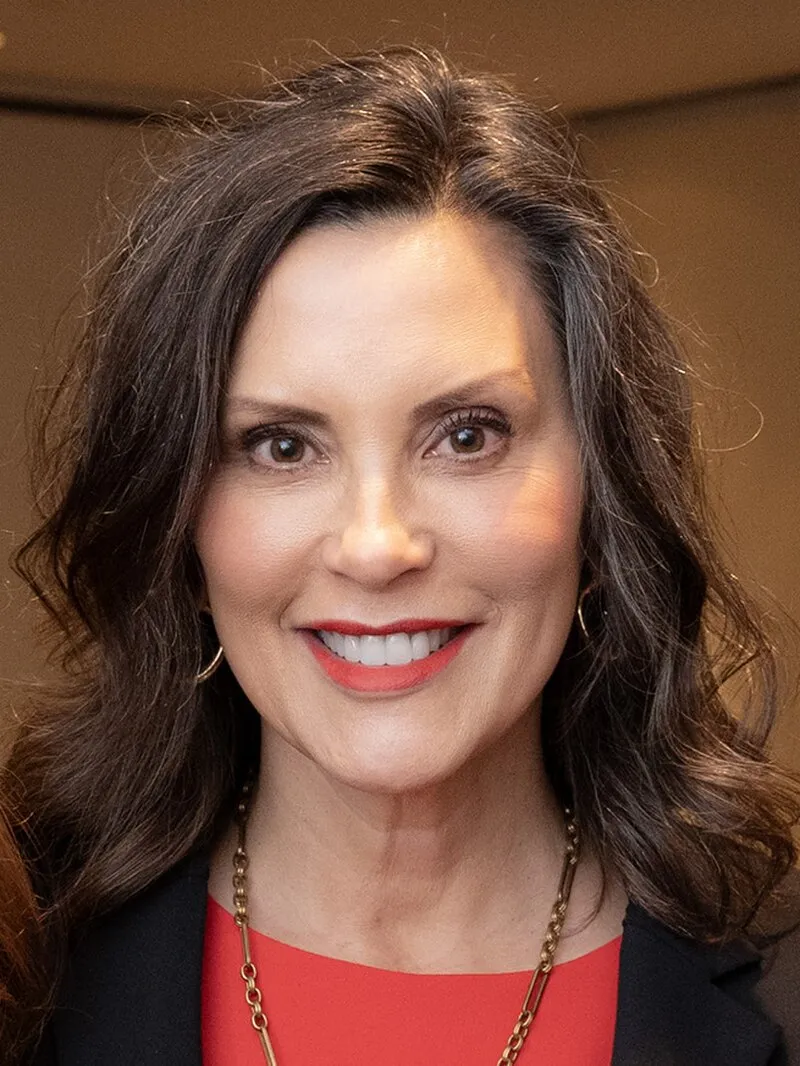
Photo of Tom Homan, via Wikimedia Commons
The Business of Cages
In the summer of 2024, the average daily population inside U.S. Immigration and Customs Enforcement detention facilities hovered around 38,000 people. Each one of those human beings represented a line item on a spreadsheet somewhere inside a publicly traded corporation. GEO Group and CoreCivic — the two dominant players in the private immigration detention industry — together hold contracts worth hundreds of millions of dollars annually with the federal government, part of a detention apparatus that analysts have valued at approximately $2.7 billion per year. That number is not incidental. It is the point.
The architecture of private immigration detention is not designed to adjudicate cases efficiently, reunite families quickly, or honor the constitutional guarantees that attach to anyone on American soil. It is designed to fill beds. And in a system where contractors are compensated on a per-diem, per-detainee basis — with some contracts including guaranteed minimum occupancy clauses that obligate the government to pay for empty beds — the financial incentive is unmistakable: longer detentions mean larger revenues.
Follow the Money, Find the Policy
The revolving door between ICE's senior leadership and the private detention industry is not a conspiracy theory. It is a documented, recurring feature of federal contracting culture. Former ICE directors and deputy directors have cycled into advisory and lobbying roles at GEO Group and CoreCivic with a regularity that would be scandalous in any other regulatory context. Meanwhile, both companies have spent millions of dollars on federal lobbying and campaign contributions, with a consistent focus on legislation that expands detention capacity, toughens immigration enforcement, and resists alternatives to incarceration.
According to data from the Government Accountability Office and nonprofit watchdogs including the Detention Watch Network, ICE has repeatedly renewed contracts with facilities that inspectors flagged for substandard medical care, inadequate legal access, and documented physical abuse. The pattern is not bureaucratic negligence. When the financial relationship between the regulator and the regulated is this entangled, institutional tolerance for abuse becomes a predictable outcome.
A 2020 report from the DHS Office of Inspector General found that detainees at several privately operated facilities lacked timely access to medical care, had grievance complaints ignored, and were held in conditions that violated ICE's own detention standards. Facilities were not shuttered. Contracts were renewed.
Who Pays the Human Price
The people warehoused inside this system are not abstractions. They are Guatemalan asylum seekers who fled gang violence and have been waiting eighteen months for a hearing date. They are Salvadoran mothers separated from U.S.-born children. They are Haitian nationals who arrived at legal ports of entry and were detained before they could file paperwork. Under current law, civil immigration detention carries no statutory time limit. ICE can hold someone indefinitely while their case winds through a backlogged immigration court system that, as of early 2025, faced a docket of more than three million pending cases.
The human cost compounds across demographic lines. Detained individuals lose jobs, housing, and legal status while incarcerated. Children in households where a parent is detained show measurable increases in anxiety disorders, educational disruption, and poverty risk, according to research published by the Urban Institute. These are not side effects of enforcement policy. They are the predictable consequences of a system that has no structural reason to minimize harm because harm is not what it is measuring.
The Strongest Case for the Other Side
Detention's defenders make a serious argument: without meaningful consequences for failing to appear at immigration hearings, the asylum system collapses into a de facto open border, undermining public confidence in legal immigration pathways and rewarding those who circumvent process. It is not a frivolous concern. Appearance rates for immigration hearings do vary, and the integrity of any adjudication system depends on participants showing up.
But this argument does not justify the current model. Alternatives to detention — ankle monitoring, case management programs, community supervision — cost between 17 cents and $17 per day compared to $150 to $200 per day for physical detention, according to figures from the American Immigration Council. Studies of ICE's own Alternatives to Detention program have found appearance rates above 95 percent among enrolled participants. The case for mass physical detention on fiscal or procedural grounds simply does not survive contact with the evidence. What survives is the lobbying power of an industry that has made mass detention its business model.
What This Signals for the Political Landscape
The Trump administration's renewed emphasis on mass deportation operations in 2025 — including the invocation of the Alien Enemies Act and the announced expansion of detention capacity — represents a significant acceleration of this logic. Expanded detention means expanded contracts. Expanded contracts mean expanded lobbying budgets. The cycle is self-reinforcing, and it has a constituency: shareholders, contractors, and politicians whose campaigns are partly funded by the industry they are expanding.
For progressives, the challenge is to make this economic reality visible without losing the moral center. This is not primarily a story about government waste, though it is also that. It is a story about a democratic government contracting out its coercive power to corporations with a financial interest in maximizing the use of that power against the most vulnerable people within its borders.
Any serious immigration reform agenda must include a statutory ban on for-profit immigration detention, mandatory time limits on civil detention, and a genuine investment in the alternative supervision programs that evidence shows actually work. The political will to pass such reforms depends on the public understanding what the current system is actually for.
A democracy that cages people for profit has already conceded something it cannot easily reclaim.