The Disaster Capitalism Playbook: How FEMA Underfunding and Private Contractors Are Turning Natural Disasters Into Wealth Transfers
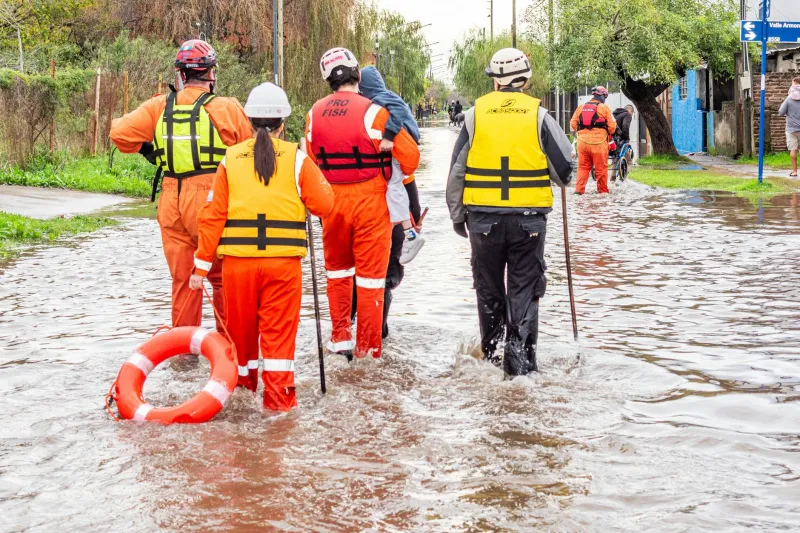
When Hurricane Ian slammed into Florida in September 2022, it left behind $113 billion in damages and 161 deaths. But for a select group of private contractors, it also left behind something else: a massive payday. Within days of landfall, FEMA had awarded hundreds of millions in no-bid contracts to disaster relief companies, many with histories of cost overruns, delays, and connections to political insiders.
This is disaster capitalism in action — the systematic transformation of human suffering into profit margins, enabled by decades of deliberate underfunding of public emergency response capacity and the privatization of disaster recovery operations.
The Manufactured Crisis of Capacity
FEMA's reliance on private contractors isn't an accident; it's the result of strategic budget cuts that have hollowed out the agency's ability to respond directly to disasters. Since 2010, FEMA's permanent workforce has remained essentially flat even as climate change has dramatically increased the frequency and severity of natural disasters. The agency now manages roughly twice as many major disasters annually compared to the 1990s, but with roughly the same staffing levels.
This artificial scarcity creates the perfect conditions for private extraction. When FEMA lacks the internal capacity to provide emergency housing, debris removal, or infrastructure repair, it has no choice but to turn to contractors who can charge premium rates for services that could be provided more efficiently and accountably by public workers.
The numbers tell the story: In fiscal year 2022, FEMA spent $8.1 billion on contractor services — more than double what it spent in 2017. These contracts often come with profit margins of 15-25%, meaning that every disaster generates guaranteed returns for private firms while survivors wait months or years for assistance.
The Revolving Door of Disaster Profiteering
The companies that win these lucrative contracts aren't random market actors — they're politically connected firms that have perfected the art of disaster profiteering. Take AshBritt Environmental, which has received over $3 billion in FEMA contracts since Hurricane Katrina. The company's executives have donated hundreds of thousands to political campaigns and hired former FEMA officials as lobbyists and executives.
Or consider Fluor Corporation, which received a $3.4 billion contract to restore Puerto Rico's electrical grid after Hurricane Maria. The company had no experience with power grid reconstruction but had extensive experience with government relations. Two years later, much of the island still lacked reliable electricity while Fluor had collected hundreds of millions in fees.
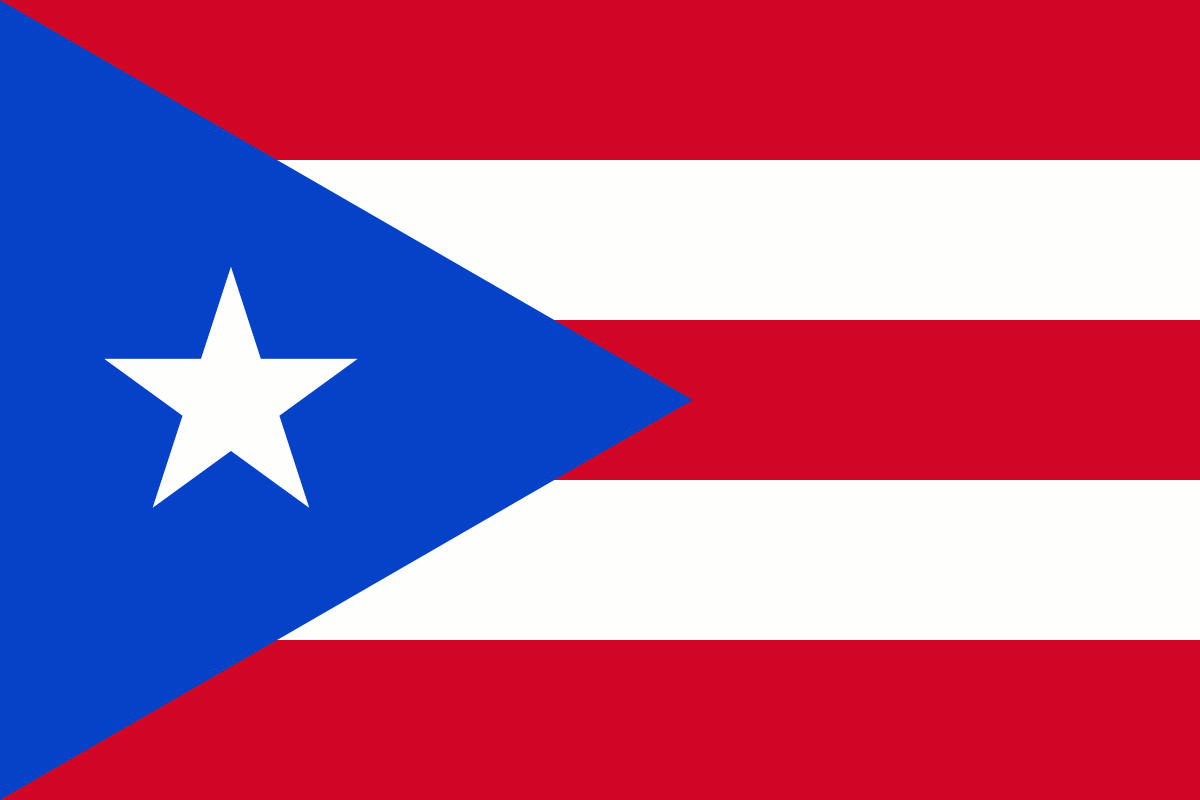 Photo: Puerto Rico, via upload.wikimedia.org
These firms argue they provide surge capacity that government agencies cannot match. But the evidence suggests otherwise: A 2019 Government Accountability Office report found that FEMA's use of contractors often resulted in higher costs, longer timelines, and reduced accountability compared to direct federal response.
The Geography of Abandonment
The privatization of disaster relief has created a two-tiered recovery system where your zip code determines your access to help. Wealthy communities with political connections can mobilize private resources and expedite federal assistance. Poor and rural communities — disproportionately communities of color — are left to navigate a bureaucratic maze of contractors and subcontractors, each extracting their cut while basic needs go unmet.
After Hurricane Harvey in 2017, affluent Houston suburbs had debris cleared and infrastructure restored within months. Meanwhile, low-income communities in East Houston waited over a year for basic services. The difference wasn't the severity of damage — it was the presence of local political power and the ability to hire private firms to navigate FEMA's contractor system.
This geographic inequality is particularly stark in rural America, where hospital closures and infrastructure disinvestment have left communities with minimal disaster preparedness. When disaster strikes, these areas become dependent on contractors who often prioritize more profitable urban contracts, leaving rural survivors in a perpetual state of partial recovery.
The Climate Profiteering Pipeline
As climate change intensifies, disaster capitalism is becoming a growth industry. Private equity firms are now investing heavily in disaster response companies, betting that increasing extreme weather will generate steady returns. BlackRock, the world's largest asset manager, has identified "climate resilience" as a major investment opportunity, while insurance companies are simultaneously withdrawing coverage from high-risk areas.
This creates a perverse incentive structure where private actors profit from climate disasters while bearing none of the costs of prevention or long-term recovery. The more severe and frequent disasters become, the more profitable the disaster response industry becomes.
The Public Alternative
The solution isn't to eliminate private contractors entirely, but to rebuild public capacity and establish clear accountability measures. Countries like Germany and Japan maintain robust public disaster response capabilities that can mobilize quickly without relying on profit-driven contractors.
The U.S. could establish a permanent federal disaster response workforce, similar to how the military maintains standing capacity for national defense. This would eliminate the artificial scarcity that drives up contractor costs while ensuring that disaster response prioritizes human need over profit margins.
Congress could also require that all disaster relief contracts include local hiring requirements, profit caps, and performance guarantees. When public money is used for disaster response, the public should capture the benefits — not private shareholders.
Breaking the Cycle
The transformation of natural disasters into wealth extraction opportunities represents one of the most cynical forms of modern capitalism. While families lose everything, connected firms get rich. While communities struggle to rebuild, private equity celebrates another profitable quarter.
This system isn't inevitable — it's the result of deliberate political choices that prioritize private profit over public welfare. Every dollar that flows to disaster profiteers is a dollar that could have gone directly to survivors, and every day spent navigating contractor bureaucracy is another day that families remain displaced.
America deserves a disaster response system that treats human suffering as a crisis to solve, not an opportunity to exploit.