Four Companies, One Food Chain: How Meat Industry Consolidation Broke American Agriculture and the Workers Inside It

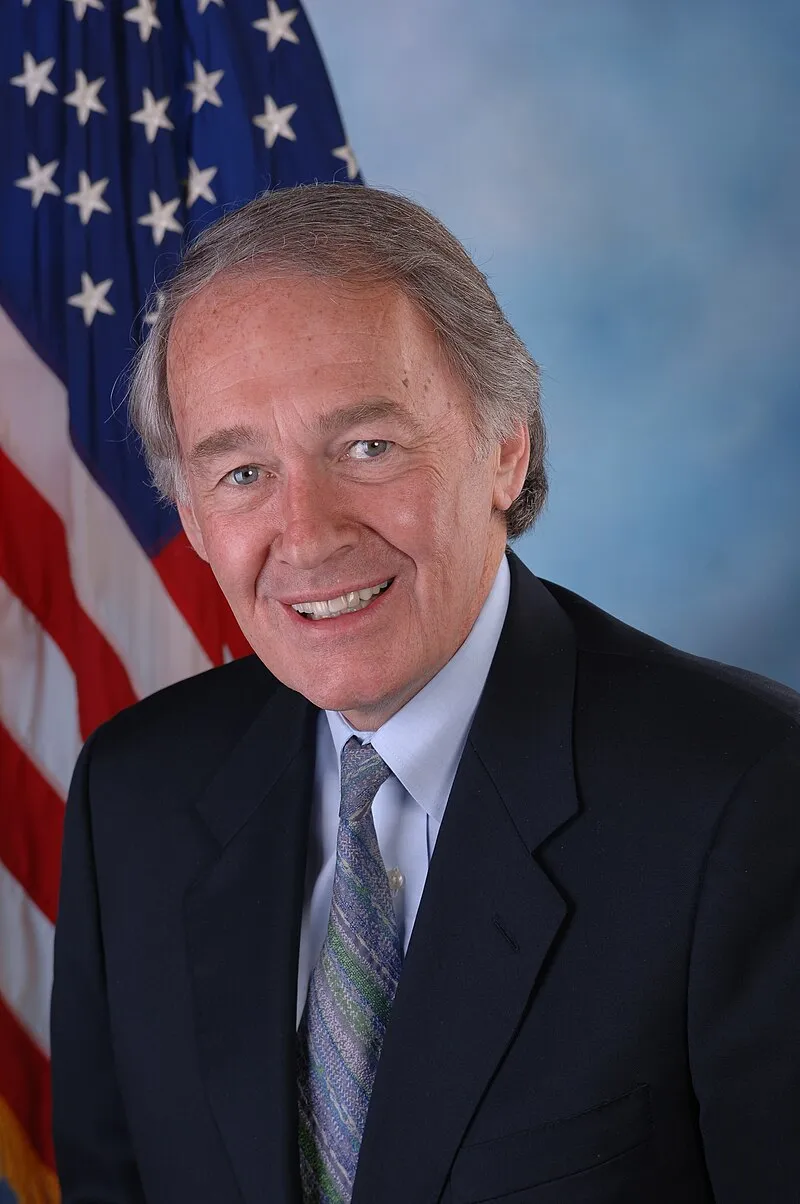
Photo of Ro Khanna, via Wikimedia Commons
In the summer of 2021, a cyberattack on JBS USA — the American subsidiary of the Brazilian meat processing giant JBS S.A. — briefly shut down facilities across the country and triggered a spike in wholesale beef prices. The disruption lasted only a few days. But it exposed something that agricultural economists had been documenting for years: when four companies control the overwhelming majority of beef processing capacity, a single point of failure can move the price of a hamburger for every American family.
The Biden administration responded by announcing a $1 billion initiative to expand independent meat processing capacity, and the USDA pledged renewed attention to competition in agricultural markets. Those were meaningful signals. But signals are not structural reform, and the consolidation that produced this fragility did not happen by accident — it was the product of decades of permissive antitrust enforcement, aggressive corporate acquisition, and a regulatory environment shaped in significant part by the industry it was supposed to oversee.
The Numbers Behind the Monopoly
The scale of consolidation in American meat processing is difficult to overstate. According to the USDA and independent agricultural researchers, four companies — JBS, Tyson Foods, Cargill, and National Beef — control approximately 85 percent of the U.S. beef market. In poultry, Tyson, Pilgrim's Pride (majority-owned by JBS), Koch Foods, and Sanderson Farms together account for the majority of production. In pork, the top four processors control roughly 70 percent of the market.
This degree of market concentration is not the natural endpoint of a competitive marketplace. It is the result of a sustained acquisition campaign that accelerated dramatically in the 1980s and 1990s, when antitrust enforcement at the Department of Justice and the Federal Trade Commission became increasingly deferential to the Chicago School economic argument that consolidation was efficient and therefore beneficial to consumers. By the time the downstream effects — on prices, on wages, on farm viability — became undeniable, the industry's political influence was sufficient to forestall serious regulatory response.
The Farmer Squeeze
For independent cattle ranchers and hog farmers, the consequences of this consolidation have been financially devastating. When only four buyers control access to slaughter capacity, producers have limited negotiating power — they can accept the price offered or absorb the cost of transporting livestock to a more distant facility, if one exists. Many don't.
The National Farmers Union and the Organization for Competitive Markets have documented what they call the "farmer's share" problem: the portion of the retail beef dollar that returns to the cattle producer has declined dramatically over the past four decades. In the early 1980s, cattle producers received approximately 60 cents of every retail beef dollar. By the early 2020s, that figure had fallen to roughly 37 to 40 cents, according to USDA Economic Research Service data — even as retail beef prices reached historic highs following pandemic-era supply disruptions.
The gap between what consumers pay and what farmers receive has been captured almost entirely by the processing and retail sector. The four major packers reported combined profits in 2021 that dwarfed pre-pandemic levels, even as ranchers faced input cost increases and volatile cattle prices that left many operating at or below break-even. This is not a coincidence of market timing. It is the predictable arithmetic of monopsony power — when a small number of buyers face a large number of sellers, the buyers set the terms.
The Processing Floor: Where the Human Cost Is Paid
If independent farmers represent the upstream victims of consolidation, the workers inside the processing plants represent its most acute human toll. Meatpacking is among the most physically dangerous jobs in the American economy. Bureau of Labor Statistics data consistently places the meat and poultry processing sector among the highest for injury and illness rates — and those figures are widely believed to undercount actual harm, given the documented pressure on workers not to report injuries that might slow production lines.
The workforce in these facilities is disproportionately composed of immigrant workers, including many who arrived through refugee resettlement programs or hold temporary legal status — populations that face heightened vulnerability to employer retaliation and are less likely to file OSHA complaints or organize collectively. This is not incidental. Agricultural economists and labor scholars have noted that the geographic placement of large processing facilities in rural communities with limited alternative employment, combined with the deliberate recruitment of immigrant labor, creates a workforce with structurally diminished bargaining power.
The COVID-19 pandemic made this visible to a broader public in the most brutal possible way. In the spring of 2020, meatpacking plants became among the most significant early cluster sites for coronavirus transmission in the country. A 2021 study published in the journal PLOS ONE estimated that meatpacking facilities were associated with approximately 6 to 8 percent of all COVID-19 cases and 3 to 4 percent of deaths in counties where they were located, during the early months of the pandemic. Workers were required to continue reporting to facilities that could not be effectively ventilated or socially distanced by the nature of their design — and an executive order signed by President Trump in April 2020 under the Defense Production Act was used to keep plants operating even as infections spread through workforces.
In the aftermath, major processors reported record profits. The workers who generated those profits received, in many cases, one-time "thank you" bonuses rather than permanent wage increases or enhanced safety commitments.
The Consumer Price Illusion
Consolidation's defenders have long argued that larger processors achieve efficiencies that ultimately lower consumer prices — the standard justification for permitting acquisitions that would have failed antitrust review in an earlier era. The pandemic data eviscerated that argument.
Between mid-2020 and mid-2022, retail beef prices rose more than 20 percent. Packer profit margins — the spread between the price paid to cattle producers and the price charged to retailers — reached levels that the USDA described as "historically high." A 2022 report from the White House Council of Economic Advisers cited evidence that consolidated industries used supply disruptions as cover for margin expansion that exceeded any legitimate cost increase. Senator Jon Tester of Montana and Representative Ro Khanna of California introduced the Meat and Poultry Special Investigator Act to create an independent enforcement office within USDA — legislation that has yet to clear Congress despite bipartisan support from farm-state members.
What Genuine Competition Policy Requires
Restoring competition in agricultural markets requires more than rhetorical commitment. The Grain Inspection, Packers and Stockyards Act — the 1921 law designed to prevent exactly the kind of market manipulation now documented in the beef sector — needs enforcement resources and updated regulations that reflect the realities of 21st-century market concentration. The USDA's Agricultural Marketing Service has begun rulemaking on poultry grower contracts, but the pace of regulatory action remains far slower than the industry's capacity to adapt and lobby.
More fundamentally, the Department of Justice needs to apply genuine scrutiny to future agricultural mergers and consider whether existing concentrations warrant structural remedies — including divestiture — under existing antitrust law. The argument that these mergers are too entrenched to unwind is an argument for capitulation, not a legal conclusion.
America's food supply should not be controlled by four boardrooms. The ranchers, the processing workers, and the families paying record grocery prices deserve a market that works for people — not one engineered to extract maximum value for shareholders while everyone else absorbs the risk.