The Paid Leave Illusion: Why America's 'Family-Friendly' Workplace Policies Are a Myth for Everyone Who Needs Them Most
The Paid Leave Illusion: Why America's 'Family-Friendly' Workplace Policies Are a Myth for Everyone Who Needs Them Most
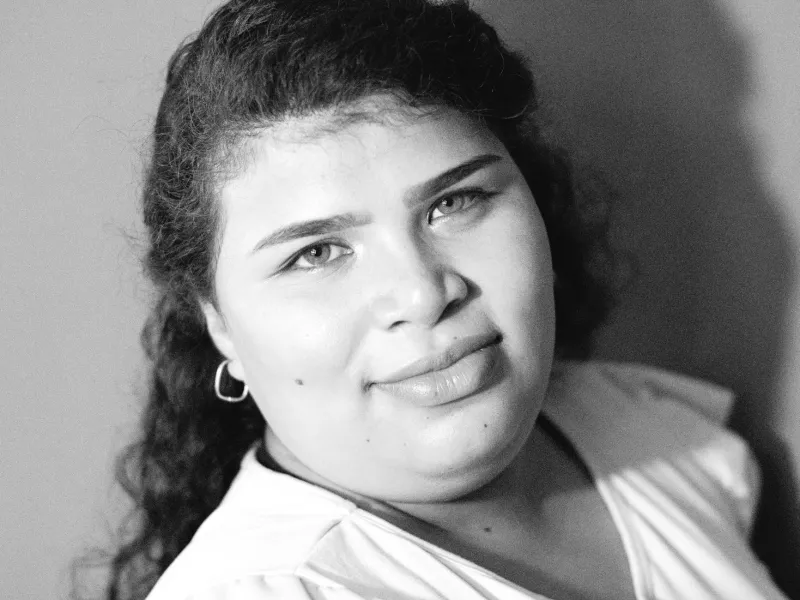
When Sarah Martinez gave birth to her daughter in Houston last year, she faced a choice no parent should have to make: stay home with her newborn and lose the income her family desperately needed, or return to her retail job after just two weeks and leave her baby in substandard childcare. Martinez, like 76% of American workers, had no access to paid family leave through her employer. She returned to work, pumping breast milk in a storage closet during her breaks, watching her bank account drain from childcare costs that consumed nearly half her paycheck.
Martinez's story isn't an outlier—it's the American norm. Three decades after the passage of the Family and Medical Leave Act (FMLA), the United States remains the only wealthy nation on Earth without a federal guarantee of paid family and medical leave. This isn't an oversight or a policy gap waiting to be filled. It's the deliberate result of corporate lobbying that has systematically gutted worker protections and created a two-tiered system where access to basic caregiving time depends entirely on your employer's generosity and your position in the economic hierarchy.
The FMLA Compromise That Wasn't
The original vision for family leave in America was far more ambitious than what emerged from Congress in 1993. Early proposals included partial wage replacement and covered all workers, not just those at larger companies. But corporate pressure, led by the U.S. Chamber of Commerce and the National Association of Manufacturers, systematically weakened the legislation. The final FMLA guaranteed only unpaid leave, excluded businesses with fewer than 50 employees (covering just 60% of the workforce), and required workers to have been employed for at least 12 months.
This wasn't compromise—it was corporate capture. The business lobby understood that unpaid leave would remain largely theoretical for the workers who needed it most. A 2021 Department of Labor study found that 78% of eligible workers who needed family leave couldn't afford to take it unpaid. For families already living paycheck to paycheck, "job protection" without income protection is meaningless.
The Geography of Inequality
Today's patchwork of state-level paid leave programs has created a stark geographic divide that mirrors and reinforces existing inequalities. Twelve states and the District of Columbia now offer some form of paid family and medical leave, but these programs are concentrated in blue states with higher wages and stronger labor protections. Workers in California can receive up to 60-70% of their wages for up to eight weeks of family leave, while workers in Alabama, Mississippi, or Tennessee have no protection at all.
This geographic lottery has profound consequences. A software engineer in San Francisco can afford to bond with their newborn for two months while receiving partial pay. A warehouse worker in Nashville must choose between their job and their family. The result is a system that reinforces class and regional disparities, making caregiving a privilege of geography and economic status rather than a universal human right.
 Photo: San Francisco, via drupal8-prod.visitcalifornia.com
Who Bears the Cost
The absence of universal paid leave doesn't affect all workers equally—it systematically disadvantages those with the least power in the labor market. Women, who still perform the majority of unpaid caregiving work, are far more likely to take extended unpaid leave and suffer long-term career penalties. The Center for American Progress found that mothers' earnings drop by 4% for each child, while fathers' earnings actually increase slightly.
For women of color, the penalties are even steeper. Black and Latina women are overrepresented in low-wage service jobs that offer minimal benefits and are more likely to work for small employers exempted from FMLA coverage. They're also more likely to be single parents or primary caregivers for elderly relatives, making the choice between work and care even more impossible.
The economic impact extends beyond individual families. The lack of paid leave forces workers into unstable employment patterns, reduces women's lifetime earnings and Social Security benefits, and pushes families toward poverty precisely when they're most vulnerable. A 2019 analysis by the Economic Policy Institute estimated that the absence of paid family leave costs the U.S. economy $20.6 billion annually in lost wages and productivity.
The Corporate Resistance Machine
Opponents of universal paid leave consistently argue that mandating benefits would burden small businesses and reduce hiring. The National Federation of Independent Business claims that paid leave requirements would force employers to cut jobs or reduce hours. But this argument crumbles under scrutiny from states that have implemented comprehensive programs.
Rhode Island, which launched paid family leave in 2014, has seen no measurable negative impact on employment or business formation. California's program, now in its second decade, has coincided with robust job growth and increased workforce participation among women. These programs are funded through small employee payroll deductions—typically less than $5 per week for median-wage workers—not employer mandates.
The real corporate resistance isn't about costs—it's about control. Paid leave represents a fundamental shift in the balance of power between workers and employers. When workers have genuine economic security during life transitions, they're less dependent on employer goodwill and more likely to demand better conditions, higher wages, and union representation.
The Path Forward
Building universal paid family and medical leave requires confronting the corporate interests that have blocked progress for three decades. The FAMILY Act, reintroduced in Congress multiple times but never brought to a vote, would create a national social insurance program providing up to 12 weeks of partial wage replacement for family and medical leave.
The program would be funded through small payroll contributions—about $2 per week for the typical worker—and would cover all employees regardless of company size or employment history. This isn't radical policy experimentation; it's catching up with the rest of the developed world and the dozen American states that have proven these programs work.
The fight for paid leave is ultimately about what kind of society we want to build. Do we accept a system where caring for a newborn, a sick parent, or your own serious illness requires economic sacrifice that pushes families toward poverty? Or do we recognize that supporting workers through life's most vulnerable moments strengthens families, communities, and the economy as a whole?
Sarah Martinez shouldn't have to choose between her paycheck and her baby—and in a just society, she wouldn't have to.